- What you'll learn
- What visceral fat is, and how it differs from subcutaneous fat under the skin
- Why visceral fat is linked to insulin resistance, inflammation, and fatty liver risk
- How to use waist circumference and waist-to-height ratio as screening tools, not exact measurements
- Why some people can look lean and still have metabolically unhealthy fat storage
- Which habits help most: a sustainable calorie deficit, aerobic exercise, and strength training
- How sleep, stress, and alcohol can make abdominal fat harder or easier to lose
Two people can have a similar waistline and very different metabolic risk. Someone can also look relatively lean while still carrying visceral fat, the deeper fat stored around the organs rather than just under the skin.
That hidden fat matters because it is linked with insulin resistance, inflammation, fatty liver, type 2 diabetes, and cardiovascular risk, especially when fat is carried centrally, according to the NIDDK. Waist size can offer a useful clue, but it is only a screening proxy, not a direct measure of visceral fat.
This article will explain what visceral fat is, why it can be dangerous, how to estimate risk without guesswork, and what actually helps reduce it. The goal is not fear or belly-fat hacks, but a practical understanding of a metabolic issue many people cannot see from the outside.
Visceral fat is not the same as the fat you can pinch
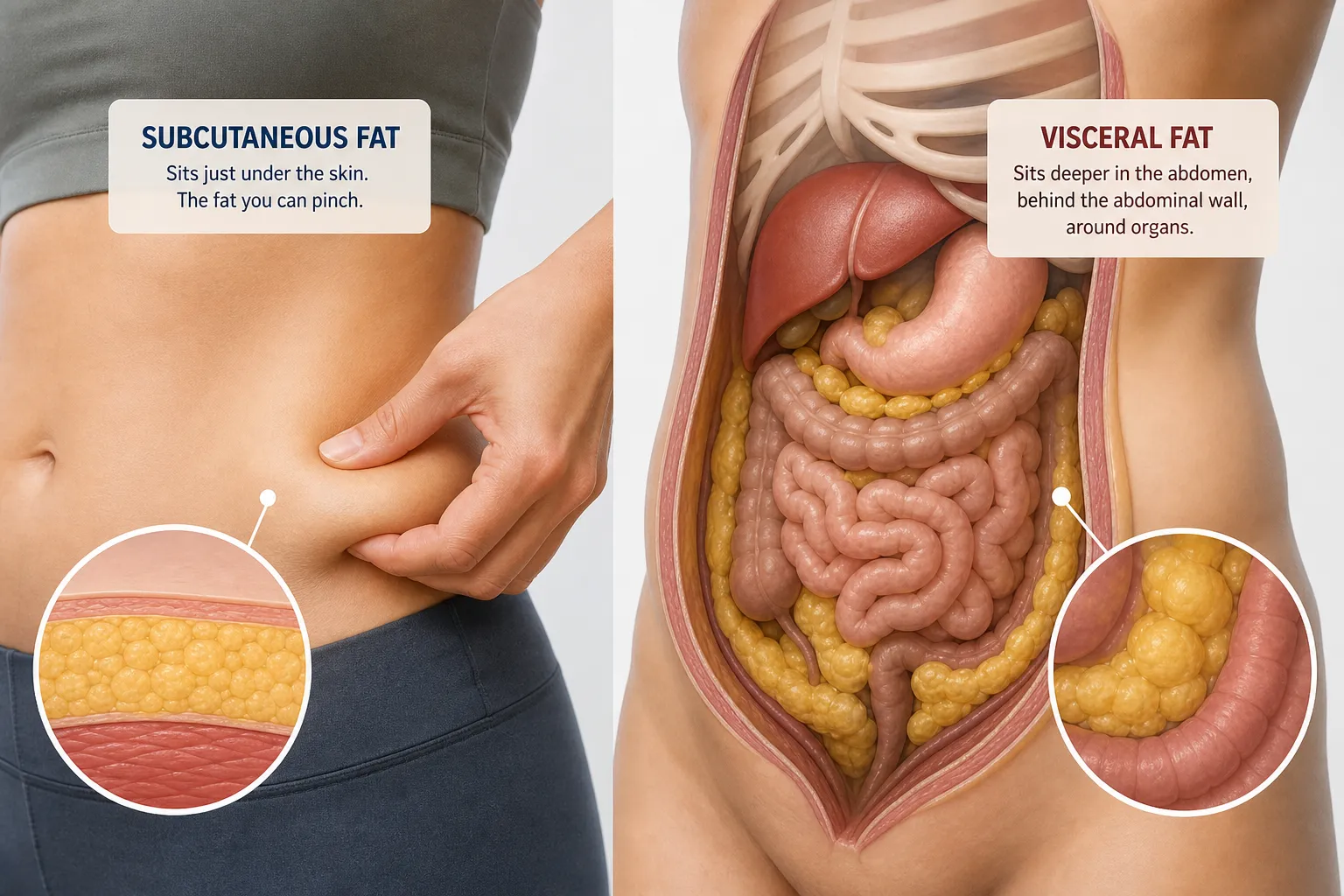
The easiest way to picture it is by location. Subcutaneous fat sits just under the skin, so it is the softer fat you can pinch at the waist, hips, or thighs. Visceral fat sits deeper inside the abdomen, behind the abdominal wall, wrapped around organs like the intestines.
Visceral fat is not defined by how much belly fat you can pinch; it is defined by where the fat is stored and how actively it interacts with metabolism. That is why belly size is only a rough clue, not a direct measurement. Some people carry more visible fat under the skin, while others store more fat deeper in the abdomen.
This also helps explain why appearance and BMI can miss risk. A person can look fairly lean or have a “normal” BMI, yet still have excess visceral fat or other harmful fat depots and show signs of metabolic trouble, a pattern often described in reviews of normal-weight but metabolically unhealthy people. In real life, that might look like a normal-weight person with a higher waist measurement, high triglycerides, elevated blood sugar, or other concerning labs.
Visceral fat is also not the same thing as liver fat. Liver fat means fat stored inside the liver, while visceral fat refers to fat stored around abdominal organs. They are different fat depots, but they often show up together and are both linked with insulin resistance and fatty liver risk, as described in reviews on visceral fat and NAFLD or MASLD.
CT and MRI can measure visceral fat more accurately, but most people do not need imaging just to understand the concept. For everyday risk screening, body shape, waist size, and metabolic markers are more practical starting points, even though none of them can confirm visceral fat on their own.
Why fat around your organs can disrupt metabolism
The main reason visceral fat gets more attention than subcutaneous fat is biological, not cosmetic. Fat stored deep in the abdomen acts less like passive storage and more like a metabolically active tissue that can influence blood sugar control, liver function, and blood lipids, which helps explain its link to higher cardiometabolic risk.
Visceral fat is dangerous because it behaves less like passive storage and more like an active metabolic organ.
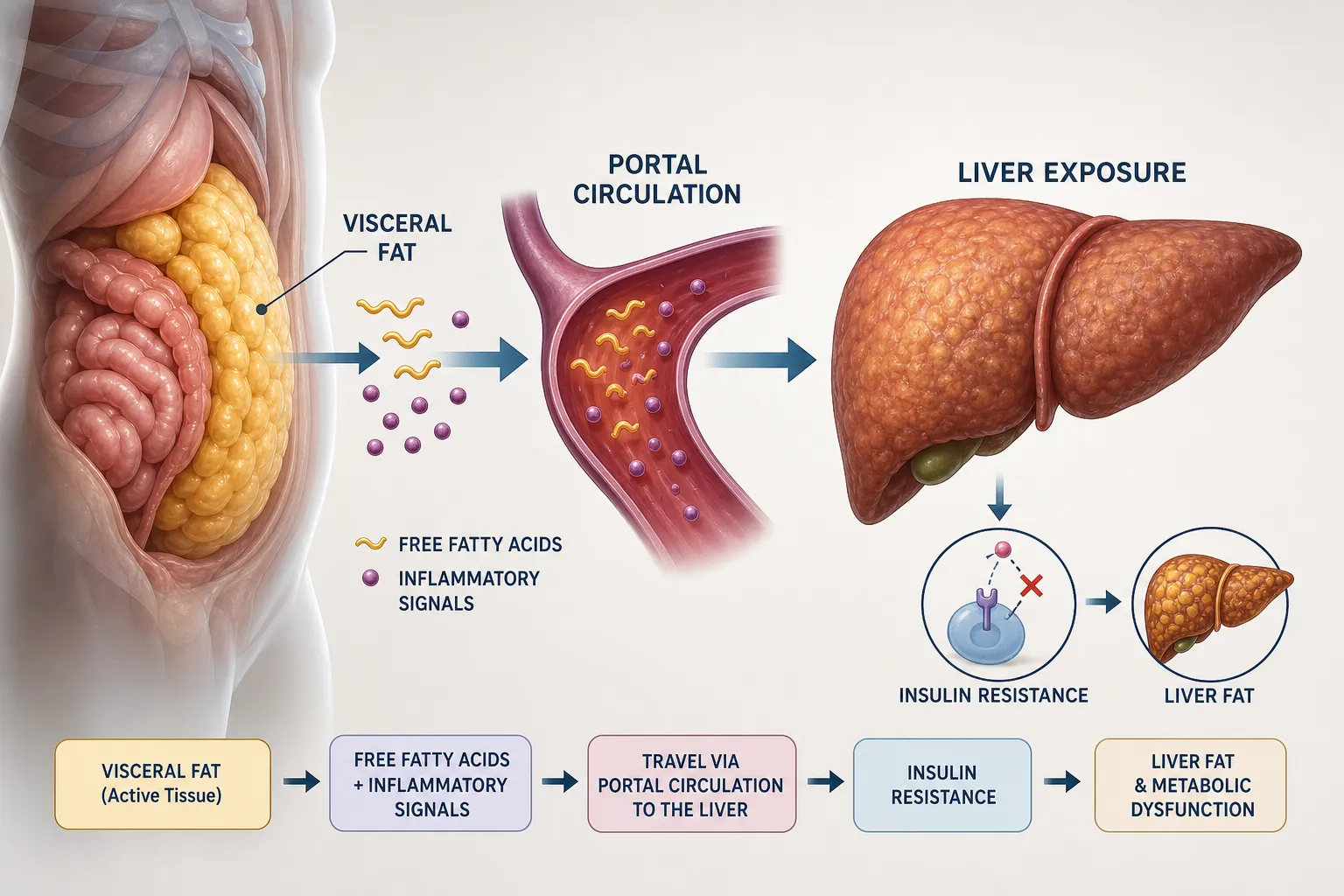
A key part of that story is the liver. Visceral fat drains into the portal circulation, which means the liver is exposed more directly to free fatty acids and chemical signals released from this fat depot than it is from fat stored under the skin through this pathway.
That liver exposure matters because it can promote hepatic insulin resistance. In simple terms, the liver and other cells become less responsive to insulin, so the body often needs more insulin to keep blood glucose in range.
Over time, this can push metabolism in an unhealthy direction. The liver may make and release more glucose, store more fat, and produce a less favorable lipid pattern, including higher triglycerides and lower HDL cholesterol, changes often seen with dyslipidemia, metabolic syndrome, type 2 diabetes, and fatty liver.
Visceral fat also tends to have a less favorable signaling profile than subcutaneous fat. It can release more inflammatory cytokines and show altered adipokine patterns, including changes in hormones such as adiponectin and leptin, which are involved in appetite, insulin sensitivity, and inflammation in the research literature.
This is why the core risk of visceral fat is not its location alone. It is the combination of location, liver exposure, inflammatory signaling, and insulin resistance that makes it more concerning than the fat you can pinch.
That said, visceral fat is best understood as a risk marker and likely contributor, not the only cause of disease. Total body fat, genetics, fitness, diet quality, age, sex, menopause, ethnicity, and fat stored in other places such as the liver and muscle also shape metabolic health.
That nuance helps explain why two people with similar body size can have very different risk profiles. Someone can look relatively lean but still carry more visceral or ectopic fat and show signs of metabolic dysfunction, while another person with more subcutaneous fat may have better insulin sensitivity and lower short-term risk.
So the practical takeaway is not to fear every inch around the waist. It is to understand that fat around the organs is more concerning partly because it can become a liver and inflammation problem, which is why it is linked with fatty liver, type 2 diabetes, and cardiovascular disease risk.
Waist measurements can flag risk, but they are not a visceral-fat scan
Your waist size is one practical way to screen for central fat risk, which is why clinicians use it alongside weight, blood pressure, and lab markers. But a bigger waist is not the same thing as a direct measurement of visceral fat, and a smaller waist does not automatically mean metabolic health is perfect.
Waist circumference is a simple measure of abdominal obesity and a useful predictor of health risk.
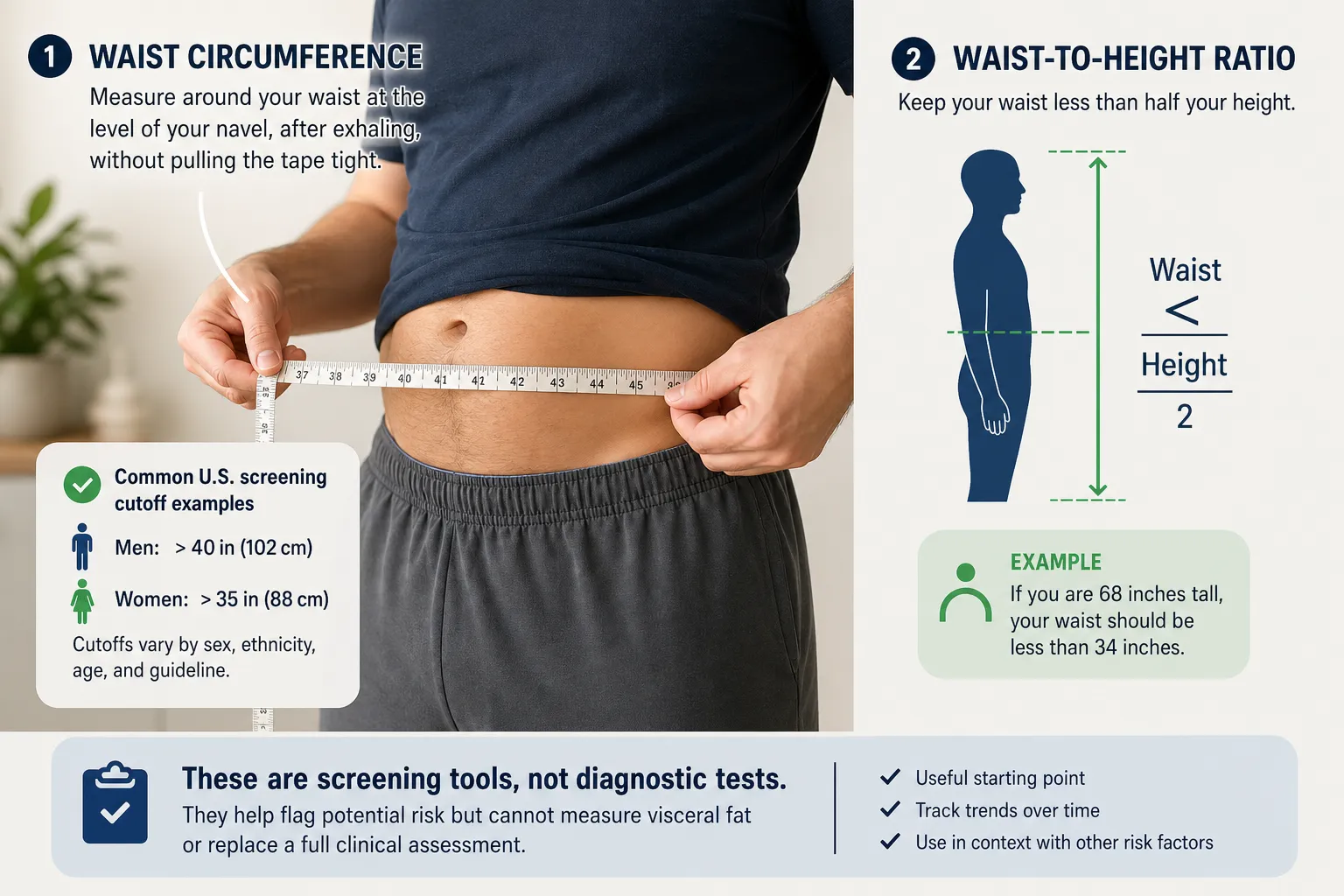
That summary lines up with guidance from the American Heart Association. A tape measure can help flag central-fat risk, but it cannot tell you exactly how much visceral fat you have, and it cannot separate visceral fat from subcutaneous fat sitting under the skin.
Common U.S. thresholds often cited are more than 40 inches or 102 cm for men and more than 35 inches or 88 cm for women, based on resources such as the NHLBI. Those numbers are useful starting points, not universal laws. Risk cutoffs vary by sex, ethnicity, age, menopause status, body size, and which guideline is being used.
That variation matters. The World Health Organization and the International Diabetes Federation both note that some populations have lower waist cutoffs because cardiometabolic risk can rise at smaller sizes.
How to measure without overthinking it
Use the same method each time so the number is at least consistent. Measure around your waist at a repeatable landmark, relaxed, after exhaling, and without pulling the tape tight. Weekly or monthly checks are usually more useful than daily measuring, which often creates noise more than insight.
Waist-to-height ratio is another simple heuristic. The common rule of thumb is to keep your waist less than half your height, so someone who is 68 inches tall would use 34 inches as a rough reference point. That is a screening clue, not a diagnosis.
How to use the result in context
A high waist measurement matters more when it shows up with other risk signs, such as elevated blood pressure, high triglycerides, higher blood sugar, fatty liver markers, strong family history, or symptoms that suggest insulin resistance. It can also be worth discussing with a clinician if your waist is increasing quickly even if your weight looks “normal,” since some people are leaner on the outside but still carry higher metabolic risk.
For most people, CT and MRI can measure visceral fat more directly, but they are not practical or necessary for routine screening. Waist measurements are best treated as a useful estimate, one piece of the picture before getting into what actually helps reduce visceral fat.
The biggest diet lever is a sustainable calorie deficit
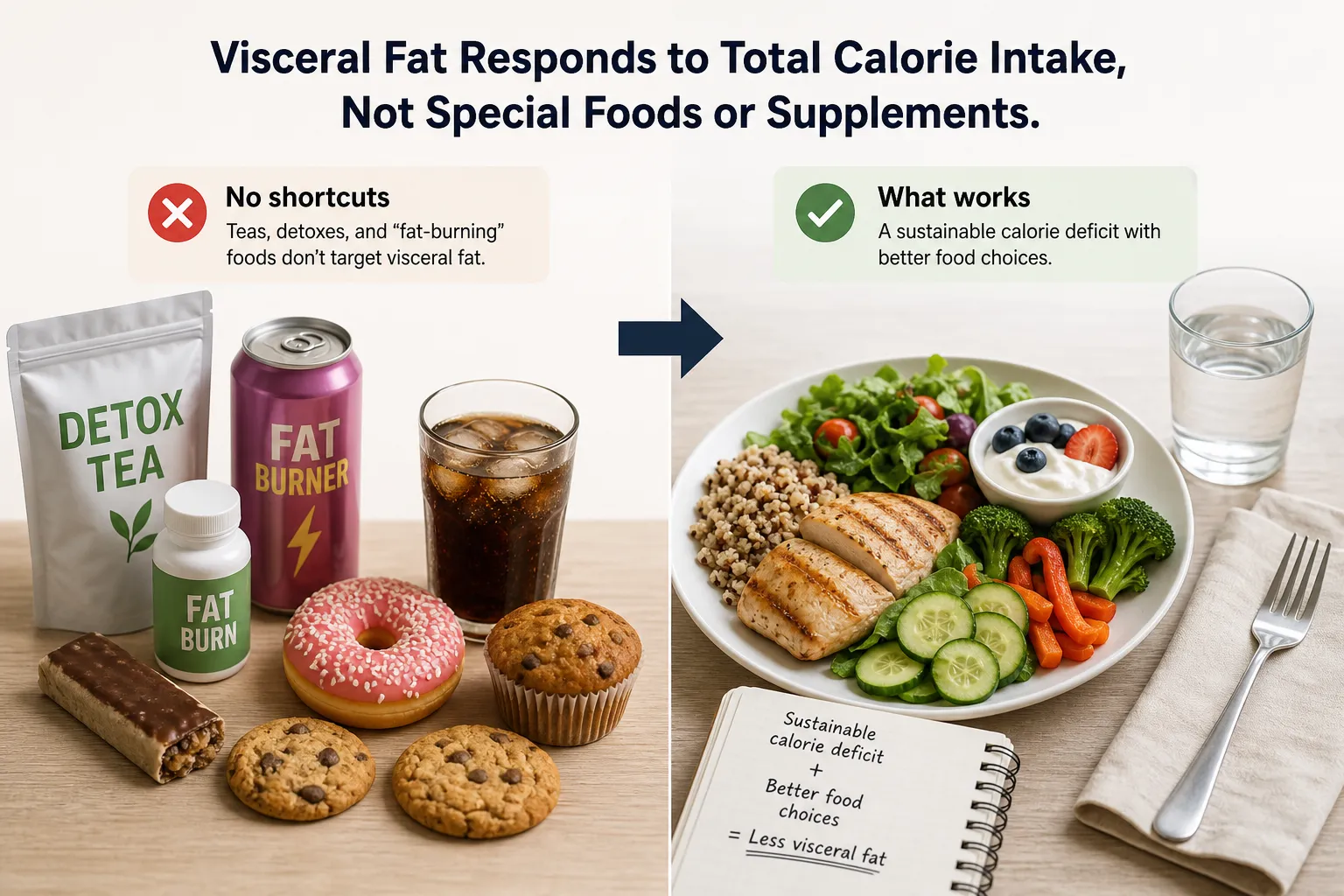
If your goal is to reduce visceral fat, the main nutrition lever is not a special food or supplement. Visceral fat usually decreases when total body fat decreases, which means a sustainable calorie deficit is the primary driver.
That is why belly-fat teas, detoxes, carb timing tricks, and “fat-burning” foods miss the point. No food, drink, supplement, or ab routine selectively burns visceral fat, even if the marketing sounds precise.
The nuance is that diet quality still matters a lot. Better food choices make it easier to eat less without feeling constantly hungry, and they can also improve blood sugar, blood lipids, and overall metabolic health while you lose weight.
A Mediterranean-style pattern is a practical example. Meals built around vegetables, fruit, beans, lentils, whole grains, yogurt or other protein-rich foods, fish, nuts, olive oil, and other unsaturated fats can support appetite control and long-term adherence. Higher-protein eating patterns can help too, especially if they make meals more filling and reduce snacking.
A simple upgrade is to move from a snack-heavy, highly processed pattern to meals that include protein and fiber. For example, eggs or Greek yogurt at breakfast, beans or chicken with lunch, fruit instead of sweets more often, and vegetables plus a protein source at dinner may lower calorie intake without relying on willpower alone.
Minimally processed foods often help for the same reason. In a randomized controlled trial, people eating an ultra-processed diet consumed more calories and gained weight compared with when they ate an unprocessed diet matched for nutrients, sugar, fat, sodium, and fiber, suggesting that ultra-processed foods can make overeating easier.
That does not mean every processed food is harmful or that one ingredient causes visceral fat. It means reducing ultra-processed foods, sugary drinks, and alcohol calories can make a calorie deficit easier to maintain, while improving diet quality at the same time.
For most people, a modest deficit works better than aggressive dieting. Fast, restrictive plans can lead to rebound eating, while slower progress is often more realistic and easier to keep going. If you need a starting point, learning how to estimate your baseline calorie needs can help you set a reasonable target.
There is no special visceral-fat diet. The pattern that tends to work best is the one that creates a sustainable calorie deficit while improving diet quality enough to support metabolic health.
Exercise helps even when the scale is slow to move
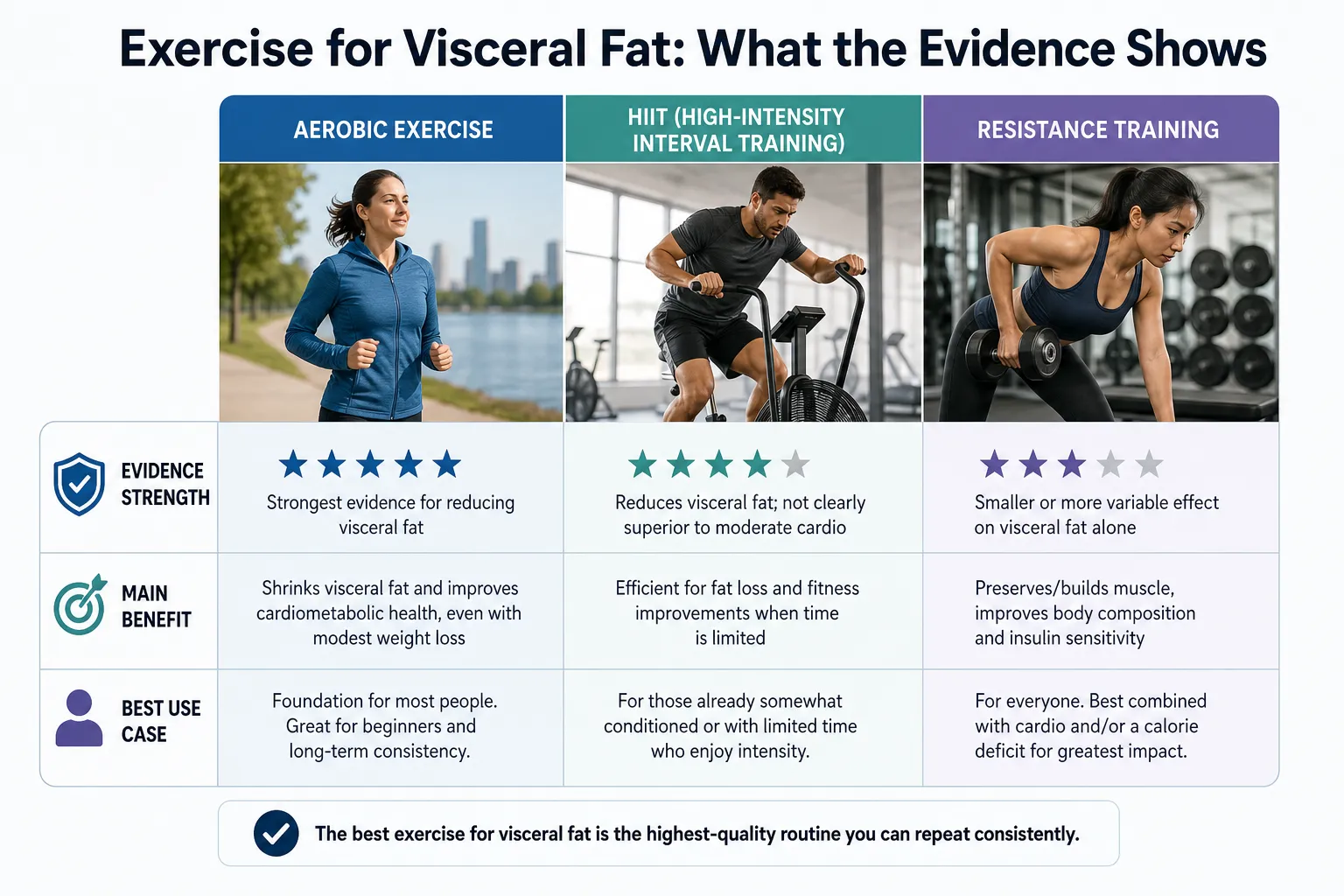
Aerobic exercise has the strongest evidence for reducing visceral fat, and that benefit can show up even when body weight changes only modestly. Reviews of the research consistently find that regular cardio helps shrink the fat stored around organs, especially when it is done often enough to add up over time across systematic reviews and meta-analyses.
That matters because the scale does not tell the whole story. Exercise can improve fitness, insulin sensitivity, and body composition before you see dramatic weight loss, so a slow-moving scale does not mean nothing is happening.
What type of exercise is best supported?
Moderate aerobic activity is the clearest place to start. Brisk walking most days, cycling, swimming, rowing, jogging, or an incline treadmill routine are all reasonable options, and the effect appears to be dose-responsive: more consistent activity generally helps more, as long as you can recover from it safely.
HIIT can also reduce visceral fat, but it is not clearly superior to steady moderate cardio when total work or energy expenditure is similar in the available research. Intervals can be useful if you enjoy them or have limited time, but they are not a magic shortcut.
Resistance training deserves a place too. On its own, it may have a smaller or more variable effect on visceral fat than aerobic exercise, but it helps preserve muscle, supports insulin sensitivity, and improves body composition, especially when paired with cardio or a calorie deficit.
A practical rule is simple: the best exercise for visceral fat is not the hardest workout, but the highest-quality routine you can repeat consistently. If you can stick with brisk walks and two strength sessions a week, that often beats an ambitious HIIT plan you abandon after ten days.
A realistic plan for most people
For many adults, the most sustainable approach is a blend of regular cardio, two or more strength sessions if possible, and more movement across the day. That might look like:
- Brisk walking 30 to 45 minutes most days
- Cycling, swimming, or rowing a few times per week
- Short interval sessions for people who are already conditioned
- Progressive strength training two or three times weekly
- More daily movement, such as stairs, errands on foot, or walking breaks
If you are new to exercise, returning after a long break, or have heart disease risk or other medical concerns, start gradually. Intense intervals are not the best entry point for everyone, and some people should get medical guidance before pushing hard.
Sleep, stress, alcohol, and hormones can tilt fat storage toward the waist
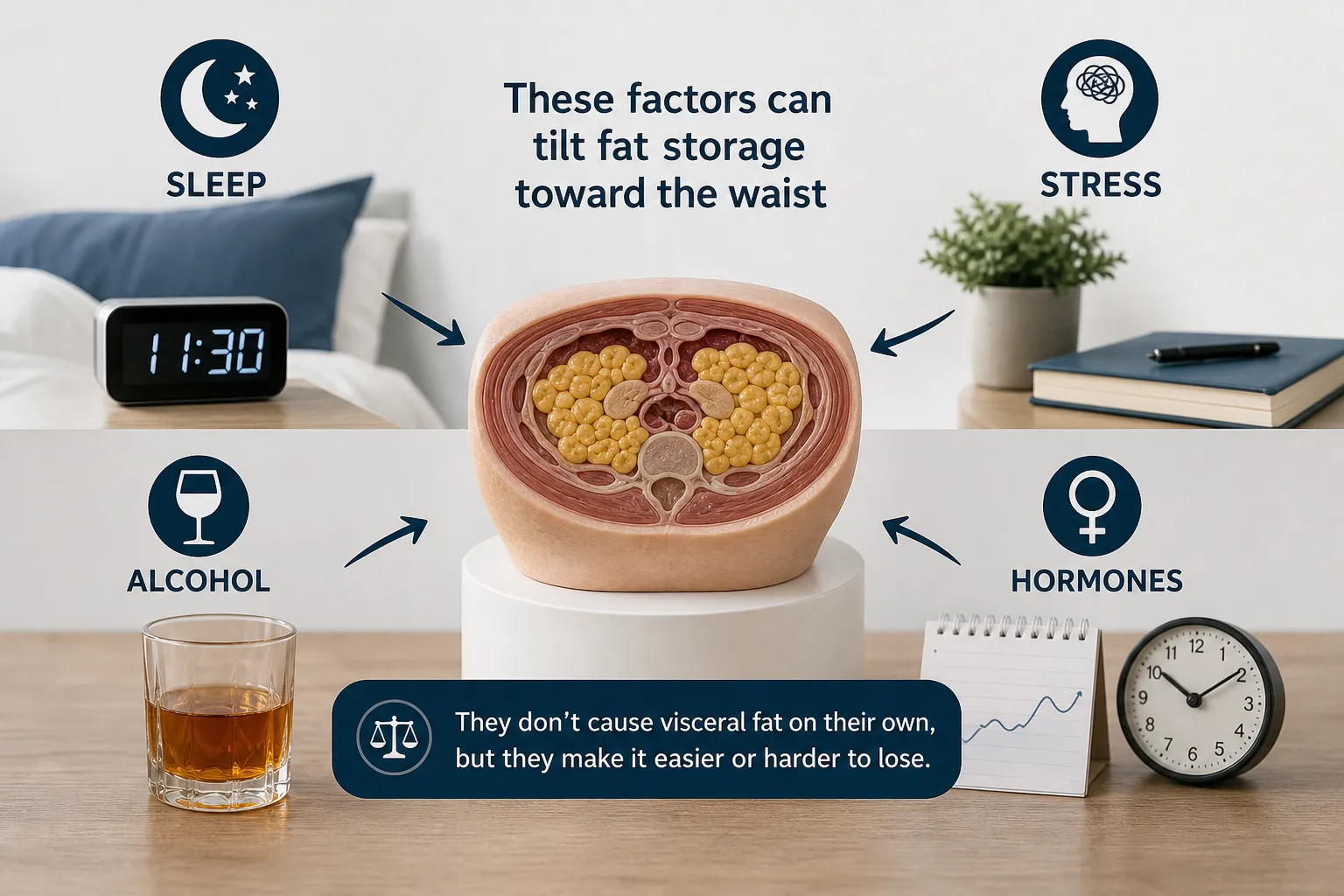
Sleep, stress, alcohol, and hormones do not usually explain visceral fat on their own, but they can change the conditions that make it easier or harder to lose. They act more like risk modifiers by influencing appetite, insulin sensitivity, recovery, activity levels, and where the body tends to store fat.
Short or poor sleep is one of the clearest examples. Sleep restriction is linked with changes in appetite regulation, reduced insulin sensitivity, and higher abdominal fat risk in both experimental and observational research PubMed. In real life, that often looks less dramatic: more late-night snacking, lower workout quality, and feeling too tired to stay active the next day.
Stress is more complicated than the phrase “cortisol causes belly fat” suggests. Chronic stress may push central fat gain indirectly by disrupting sleep, increasing cravings, lowering movement, or increasing alcohol use, while neuroendocrine pathways involving cortisol may also play a role. That is why a stress outlet, a consistent bedtime, or a short walk after meals can matter even if they do not burn many calories directly.
Alcohol adds both energy and metabolic friction. Heavier or more frequent drinking is associated with larger waist circumference and higher central adiposity risk, though the effect varies by sex, dose, and drinking pattern PubMed. A practical step is reducing late-night drinks, which can also improve sleep and next-day food choices.
Ageing and menopause also shift the picture. Changes in estrogen, muscle mass, and energy expenditure can move fat distribution toward the abdomen, so midlife waist gain is not a personal failure. Strength training, regular walking, and enough protein can still improve body composition and metabolic health, even when fat loss is slower.
Sleep, stress, alcohol, and hormones rarely explain visceral fat by themselves, but they can make the metabolic environment easier or harder to change.
The practical goal is lower risk, not a perfect stomach
The most useful way to think about visceral fat is simple: track risk, not appearance. A waist measurement or waist-to-height ratio can be a helpful periodic check, but it is a screening proxy, not a direct measurement, and it should not become a daily source of stress.
A practical plan works best when it is repeatable for months, not exciting for a week. Reducing visceral fat is less about chasing a flat stomach and more about repeatedly choosing the habits that lower metabolic risk.
A good starting framework looks like this:
- Move most days with aerobic activity you can stick with.
- Add strength training regularly to help preserve muscle.
- Create a modest calorie deficit you can sustain, and adjust calorie intake based on real progress rather than guesswork.
- Build meals around protein, fiber, and overall diet quality.
- Protect sleep, recovery, and keep heavy alcohol intake in check.
Then give the plan time. Look for change across 8 to 12 weeks, not a few days, and track more than one signal: waist, weight trend, energy, hunger, exercise capacity, and where relevant, blood pressure, glucose, lipids, or liver markers.
Some of the most meaningful progress may happen before a dramatic visual change. A smaller waist, better fitness, lower blood pressure, or improved glucose or triglycerides can all signal that your health is moving in the right direction.
If your waist-based risk looks high, your metabolic markers are abnormal, fatty liver is a concern, or you notice symptoms or rapid unexplained body changes, talk with a clinician. The aim is not belly-fat perfection. It is lower cardiometabolic risk through sustainable habits that you can actually maintain.
- Key sources
- NIDDK - Health Risks of Overweight & Obesity / visceral fat resources
- Visceral adiposity and cardiometabolic risk review
- Portal vein free fatty acid theory / visceral fat liver metabolism review
- Adipokines and inflammatory cytokines visceral fat review
- NAFLD/MASLD and visceral fat review
- Lean but metabolically unhealthy / normal weight obesity review
- NHLBI - Aim for a Healthy Weight / waist circumference risk thresholds
- American Heart Association - Waist circumference and risk
- World Health Organization - Waist circumference and waist-hip ratio report
- International Diabetes Federation - Metabolic syndrome definition and central obesity cutoffs
- Systematic review/meta-analysis on exercise and visceral fat (example umbrella source)
- Ultra-processed foods randomized controlled trial
- Sleep restriction and abdominal/visceral fat studies
- Alcohol intake and central adiposity cohort studies